
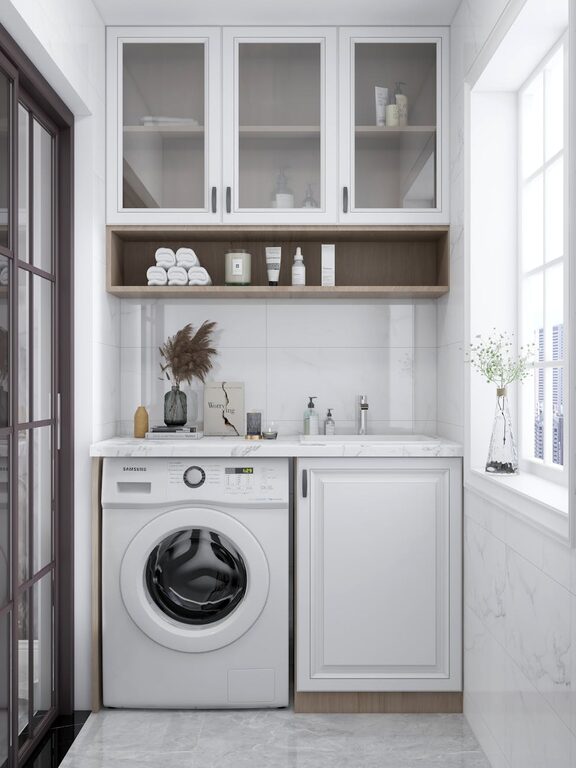
Creating a tranquil and soothing atmosphere in your home often starts with the colors you choose for your walls and decor. Calm colors have the power to reduce stress, improve mood, and make your space feel more inviting. Whether you’re planning a full room makeover or just updating a corner, selecting the right calm colors can transform your environment into a peaceful retreat. In this post, we’ll guide you through practical tips for choosing calm colors that suit your style and needs.
Why Choose Calm Colors?
Colors influence how we feel. Bright, bold colors can energize and excite, but calm colors help ease the mind and body. These hues often include soft blues, muted greens, gentle grays, and warm neutrals. Using them thoughtfully in your home creates a relaxing environment that encourages rest and mindfulness.
Tips for Choosing Calm Colors for Your Home
1. Start with Nature-Inspired Shades
Nature is full of calming colors. Soft blues mimic the sky and water, while gentle greens reflect leaves and plants. These natural hues are proven to promote relaxation and reduce anxiety.
– Blue: Often linked to serenity, it works well in bedrooms, bathrooms, or any space where you unwind.
– Green: Represents balance and renewal, perfect for living rooms or workspaces to foster focus and calm.
– Earthy Neutrals: Beiges, taupes, and soft browns ground your space with warmth and subtlety.
2. Consider the Lighting in Your Space
The amount and type of light can dramatically affect how colors appear. Natural light brings out true hues, while artificial lighting may cast shadows or tints.
– Test samples on your walls at different times of day.
– Choose lighter shades for rooms with limited sunlight to keep spaces feeling open.
– Darker calm shades can add depth in well-lit areas without overpowering.
3. Use Color Psychology as a Guide
While personal preference is essential, color psychology can inform your choices. Here are some common calm colors and their effects:
– Lavender: Soft and gentle, it brings a sense of tranquility and is great for bedrooms.
– Soft Gray: A modern neutral that feels clean and calm, ideal for living rooms or offices.
– Pale Peach or Blush: Offers a warm, comforting vibe without being too bold.
4. Balance Calm Colors with Neutrals and Textures
To prevent calm colors from feeling flat, mix them with neutral tones and varied textures. This combination adds interest and coziness.
– Pair soft blues with off-white or cream.
– Combine muted greens with natural wood tones.
– Use textured fabrics like linen, wool, or cotton in cushions, rugs, and curtains to soften the look.
5. Create Color Harmony with Accent Shades
While calm colors dominate, accents bring personality without overwhelming the space.
– Add small touches of muted gold, soft coral, or dusty rose.
– Choose accessories like vases, artwork, or pillows in these tones.
– Keep accent colors subtle to maintain a peaceful overall feel.
6. Test with Paint Samples and Swatches
Before committing, try these practical steps:
– Purchase small paint samples and apply patches on different walls.
– Observe how the colors look at various times of the day.
– Use fabric swatches alongside paint samples to see how everything coordinates.
7. Plan Color Flow Between Rooms
If you have an open floor plan or adjacent rooms, consider how calm colors transition from one space to another.
– Opt for complementary shades to create cohesion.
– Use varying intensities of the same color to add dimension without jarring contrasts.
– This approach promotes a smooth, calming flow throughout your home.
8. Trust Your Instincts and Preferences
While guidelines help, the best color for your calm space is one that feels right to you.
– Think about colors that make you feel relaxed.
– Consider past experiences or places that brought you peace.
– Don’t hesitate to combine calm colors with personal style elements.
Common Mistakes to Avoid When Choosing Calm Colors
– Overdoing Beige or Gray: These neutrals can sometimes feel dull or cold if not balanced with warmth or texture.
– Ignoring Room Function: A calm color perfect for a bedroom may not work as well in a lively family room.
– Skipping the Testing Phase: Paint can look very different in your home versus a store sample.
– Forgetting Accents: Too much of one calm shade without breaks can feel monotonous.
Final Thoughts
Choosing calm colors is a wonderful way to enhance your home’s atmosphere and make it a comforting retreat. Start by identifying shades inspired by nature, consider how light impacts your choices, and test samples before painting. Balance colors with textures and subtle accents to add warmth and interest. Above all, follow your instincts to create a space that truly feels peaceful and inviting.
With these tips, you’ll be one step closer to a calm and harmonious home that supports your well-being every day. Happy decorating!