
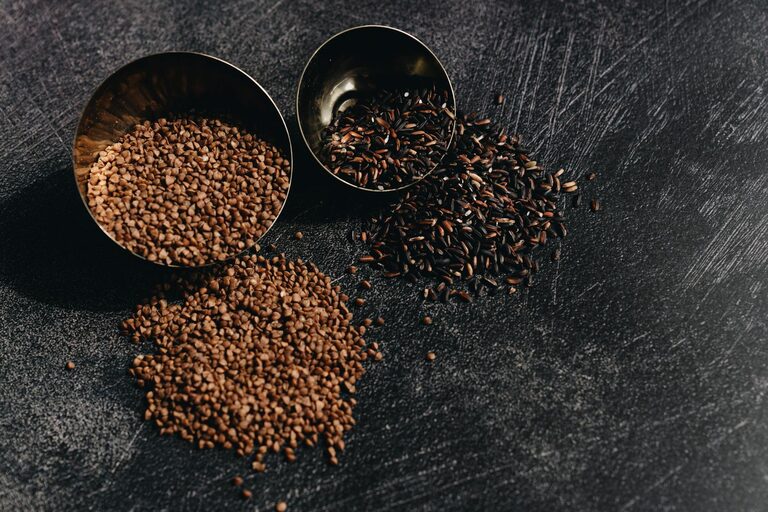
Planning meals from pantry staples is a great way to streamline your cooking routine, reduce grocery trips, and minimize food waste. With a well-stocked pantry and a bit of creativity, you can whip up delicious meals using ingredients you already have on hand. In this post, we’ll explore practical tips and strategies for planning meals around pantry staples, plus ideas to inspire your next kitchen adventure.
Why Plan Meals Using Pantry Staples?
Using pantry staples as the foundation for your meals offers several benefits:
– Saves money: Shopping less often and using what’s already available reduces grocery costs.
– Reduces waste: Ingredients are less likely to spoil when meals are planned around what you have.
– Speeds up cooking: Pantry staples are often shelf-stable and ready to use, making meal prep faster.
– Encourages creativity: Mixing and matching staples can lead to new and exciting dishes.
Step 1: Take Inventory of Your Pantry
Start by knowing exactly what you have. Clear out your pantry and list all staples in these categories:
– Grains: Rice, pasta, quinoa, oats, couscous
– Canned goods: Beans, tomatoes, tuna, vegetables
– Baking essentials: Flour, sugar, baking powder, cocoa
– Oils and vinegars: Olive oil, vegetable oil, balsamic vinegar
– Spices and herbs: Salt, pepper, garlic powder, dried herbs
– Shelf-stable proteins: Peanut butter, nuts, seeds, canned lentils
This inventory becomes the backbone of your meal planning.
Step 2: Organize Your Pantry for Easy Access
Arrange your shelves so you can quickly find staples. Group items together — all grains in one area, canned goods in another. Use clear containers or labels to improve visibility. An organized pantry means less time hunting for ingredients and more time cooking.
Step 3: Build a Weekly Meal Plan Based on Staples
Once you know what staples you have, map out meals that incorporate them. Here’s how:
Create a Meal Template
Designing a simple weekly template helps. For example:
– Monday: Grain + protein + vegetable
– Tuesday: Pasta dish + salad
– Wednesday: Soup or stew
– Thursday: Stir-fry or bowl
– Friday: Casserole or baked dish
– Saturday: Breakfast-for-dinner
– Sunday: Leftovers or easy snack meals
Match Staples to Each Day
Fill your template with meals using ingredients on hand. For instance:
– Monday: Rice with canned black beans, sautéed spinach, and garlic
– Tuesday: Pasta with canned tomatoes, garlic, and dried basil
– Wednesday: Lentil soup using canned lentils and vegetable broth
– Thursday: Stir-fry with rice, frozen veggies, and soy sauce
– Friday: Tuna casserole with pasta, canned tuna, and mushroom soup
– Saturday: Oat pancakes topped with peanut butter and honey
– Sunday: Leftover rice bowl with nuts and fresh herbs
Step 4: Plan for Fresh Ingredients and Variety
While your pantry provides the backbone, complement meals with fresh or frozen produce and proteins if available. Buying versatile fresh items like carrots, onions, or leafy greens can enhance your dishes’ flavors and nutrition.
Step 5: Keep a Running Shopping List
As you plan meals, note any missing staples or fresh items to replenish. This keeps your pantry ready for future meal planning sessions and prevents last-minute trips.
Bonus Tips for Cooking with Pantry Staples
– Use spices wisely: They transform simple ingredients into flavorful meals.
– Think in layers: Combine grains, proteins, veggies, and sauces to keep dishes balanced.
– Batch cook: Prepare larger portions to freeze leftovers for quick meals later.
– Experiment with substitutions: For example, swap chickpeas for black beans or quinoa for rice.
– Get inspired: Search for recipes specifically designed around pantry staples.
Conclusion
Planning meals from pantry staples doesn’t have to be complicated. By keeping an organized pantry, taking inventory, and using a simple meal planning approach, you can enjoy homemade meals without stress. With a little effort and creativity, your pantry can become the heart of your kitchen—fueling delicious, easy, and affordable meals every day.
Happy cooking!