
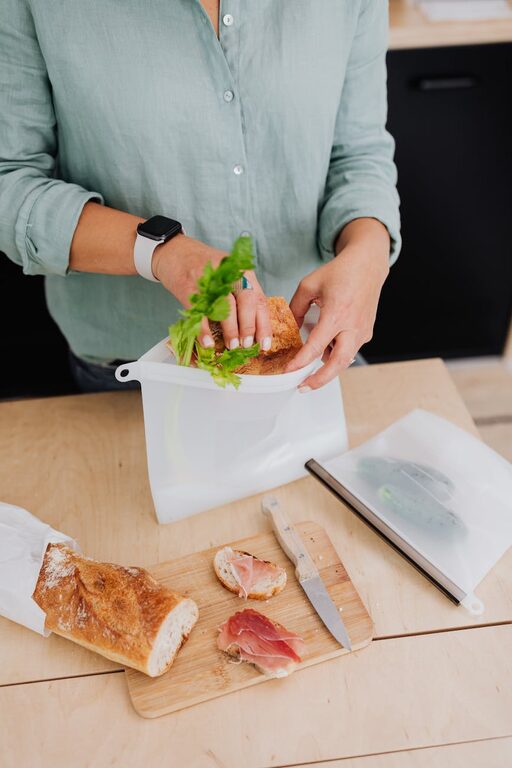
Reducing food waste at home is not only good for your wallet but also beneficial for the environment. Globally, millions of tons of food are discarded each year, contributing to greenhouse gas emissions and wasting precious resources like water and energy. Fortunately, there are many small changes you can make in your daily routine to minimize food waste. In this post, we will explore practical and achievable ways to reduce food waste in your household.
Why Reducing Food Waste Matters
Before diving into the tips, it’s helpful to understand why reducing food waste is important:
– Environmental impact: Food production consumes water, energy, and land. Wasting food means wasting these resources.
– Economic benefits: Throwing away food is like throwing away money. Saving food means spending less on groceries.
– Social responsibility: Reducing waste helps address global hunger by ensuring available food feeds those in need.
Now, let’s look at effective methods to reduce food waste at home.
Smart Shopping Habits
Plan Your Meals Ahead
One of the biggest reasons for food waste is buying more than you can use. Meal planning helps you purchase only what you need.
– Write a weekly meal plan.
– List ingredients needed for each meal.
– Stick to your shopping list to avoid impulse buys.
Shop With a Full Stomach
Shopping when hungry often leads to buying unnecessary items. Eat a snack before grocery trips to make better choices.
Buy Loose and Fresh Produce
Instead of buying pre-packaged fruits and vegetables, opt for loose items. This way you can pick the exact quantity you need.
Proper Food Storage Techniques
Understand Expiry Dates
Labels like “best before” and “use by” can be confusing. “Best before” indicates quality, while “use by” relates to safety. Trust your senses (smell, look) when deciding to use food near its date.
Store Food Correctly
– Keep fruits and vegetables in proper conditions. For example, tomatoes do better at room temperature than in the fridge.
– Use airtight containers to maintain freshness.
– Store leftovers in clear containers for easy identification.
First In, First Out (FIFO) Method
Arrange your pantry and fridge so older items get used first. Place newer purchases behind older ones to reduce spoilage.
Creative Cooking and Leftover Use
Repurpose Leftovers
Leftovers don’t have to mean boring meals. Use them creatively:
– Turn roasted vegetables into soups.
– Use stale bread for croutons or breadcrumbs.
– Make smoothies with overripe fruits.
Batch Cook and Freeze
Cooking in batches and freezing portions helps avoid cooking more than you can eat at once.
Compost Food Scraps
For unavoidable food waste like peels and cores, composting is a natural and eco-friendly disposal method that enriches soil.
Mindful Portion Control
Serve Smaller Portions
Serving smaller amounts reduces plate waste. People can always take seconds if they’re still hungry.
Use Smaller Plates
Smaller plates can help control portion sizes and reduce the temptation to over-serve.
Educate and Involve Your Household
Share Knowledge
Talk about the importance of reducing food waste with family members, and brainstorm ideas together.
Encourage Everyone to Taste Before Wasting
Sometimes, leftovers get tossed simply because no one wants to eat them. Encourage trying food before discarding.
—
Final Thoughts
Reducing food waste at home is achievable with a little planning and mindfulness. By shopping smarter, storing food properly, getting creative with meals, and involving everyone in your household, you can create a positive impact on both your budget and the planet. Start with small changes today, and watch how they add up over time. Every bite counts!
—
Reducing food waste is a simple way we all can contribute to a healthier planet while saving money. What methods have worked best for you? Share your tips in the comments below!